


10 Things I've Learnt in 10 Years as a Qualified Specilist Paediatric Osteopathic Practitioner


1 Trust the Parents & babies/children
Parents know their children better than anyone. My role isn't to be the expert on their child—it's to listen, observe, and work alongside their instincts. The best outcomes happen when we trust parents and children, using their insights alongside clinical assessment (parenthood comes with a big enough to-do list!).
2 Sometimes the lightest touch is the most powerful.
I’ve learned to do less, observe more, and trust the body’s capacity to adapt when given the right support.
3 Parents are doing their best
Every family comes with their own story, stressors, and resources. Sleep deprivation, conflicting advice, financial pressure, isolation—parenting is hard. I’ve try to meet families exactly where they are, without judgment, and celebrate every small win alongside them.
4 Sometimes the Best Treatment Is Reassurance
Not every presentation needs hands-on intervention. Sometimes parents need information, validation, and space to see their baby is developing beautifully (you get so little positive feedback at the start!).
5 The most challenging cases always taught me something
The cases that challenged my clinical reasoning - those were my greatest teachers. Discomfort is where growth lives.
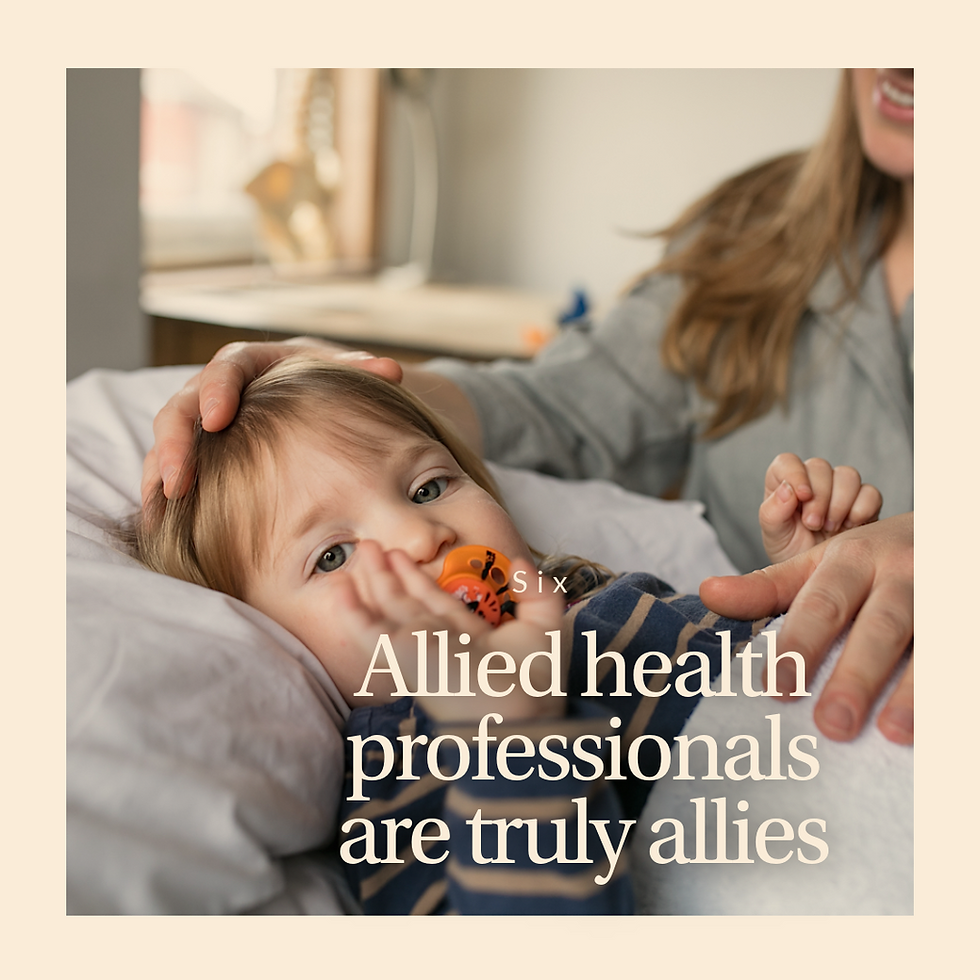
6 Other allied health professionals are truly allies
They’re collaborators. OT’s, Physiotherapists, midwives, lactation consultants, speech therapists, GPs—we’re all pieces of the same puzzle. The children who thrive most have professionals who communicate well.
7 Stay Curious, Keep Learning
The field evolves. Research emerges. Techniques are refined. The practitioners who served me best were the ones still asking questions after decades. I aim to be one of them. From attending interdisciplinary confrences, to technique based training and keeping upto date by reviewing the research.
8 Mentorship Goes Both Ways
I 've learned as much from mentoring newly qualified osteopaths as I did from my own mentors. Teaching forces you to question your assumptions, refine your reasoning, and stay humble. It's a gift to both people.
9 Holistic doesn’t have to mean vague
True holistic care means integrating evidence, clinical reasoning, and the whole child's context—not dismissing science. The best paediatric care is both art and rigour.
10 This Work Is a Privilege
Families invite me into vulnerable moments—early weeks with a newborn, questions about development,navigating uncertainty. I never take that trust lightly. Ten years in, I’m still humbled every single day.
By Jennifer Sloane
Registered Osteopath & 10 years as a Specialist Paediatric Osteopathic Practitioner


While looking for help online, I found a reproductive fertility care clinic in London and had a very positive experience. The team took time to explain everything in simple terms. https://lunafertility.co.uk/